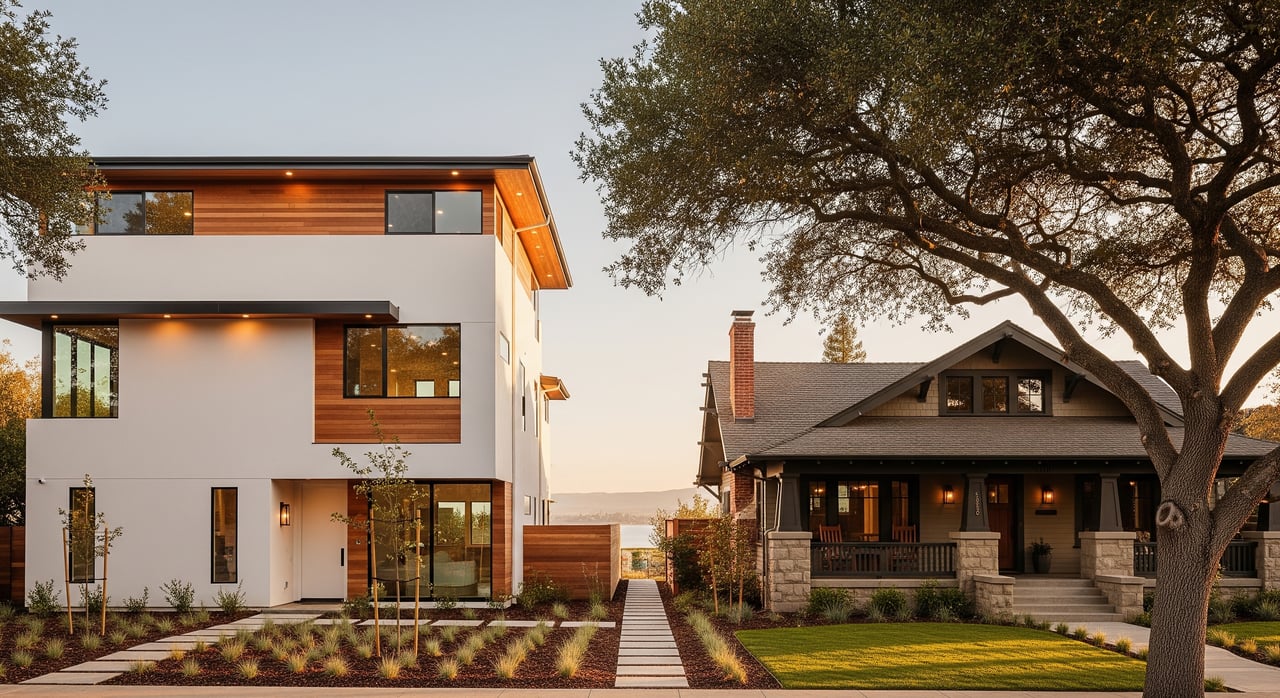
Trying to choose between a brand-new home in Folsom Ranch or a resale in The Parkway or Broadstone? You are not alone. Many Folsom buyers weigh shiny finishes and warranties against bigger lots and established streets. In this guide, you will learn how new construction and resale compare on costs, timelines, taxes, maintenance, and long-term value so you can move forward with confidence. Let’s dive in.
New construction vs resale in Folsom
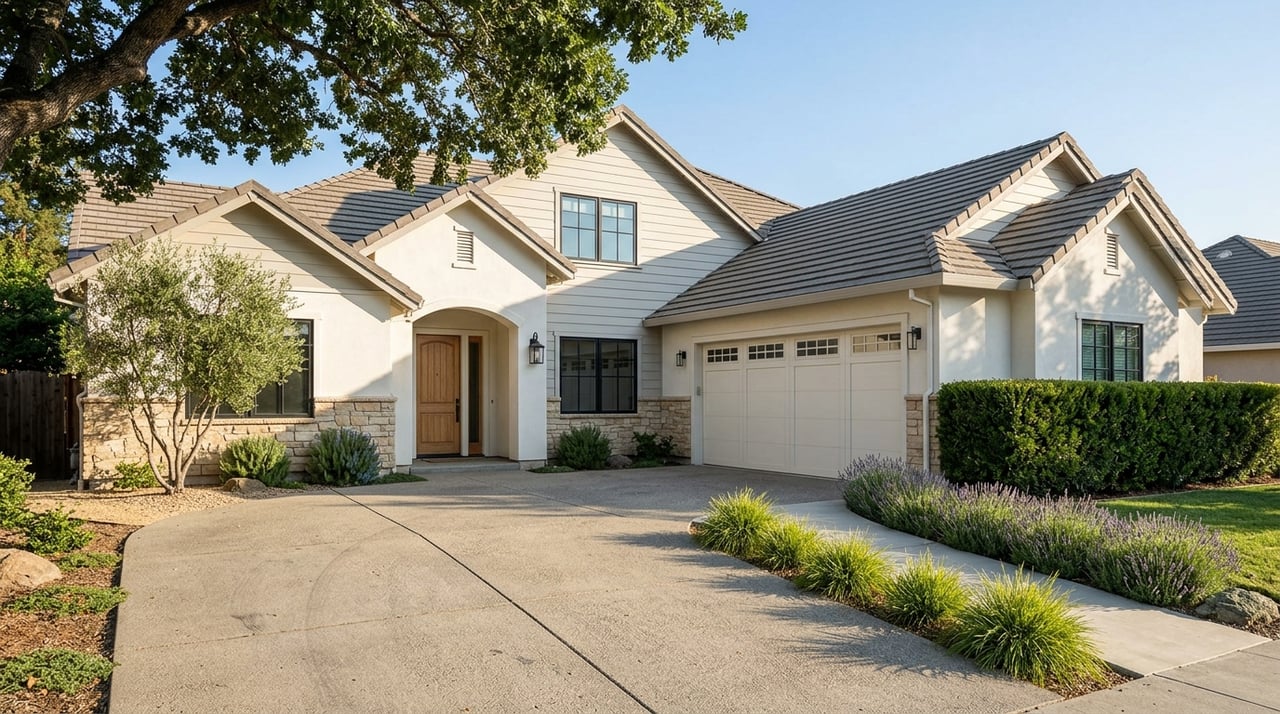
New construction in Folsom, especially in master-planned areas like Folsom Ranch, offers modern layouts, newer infrastructure, and builder warranties. Communities often roll out parks, schools, and retail in phases over several years, which can change the feel of the neighborhood as it grows. Newer projects can also include layered governance, such as a master HOA and a neighborhood HOA.
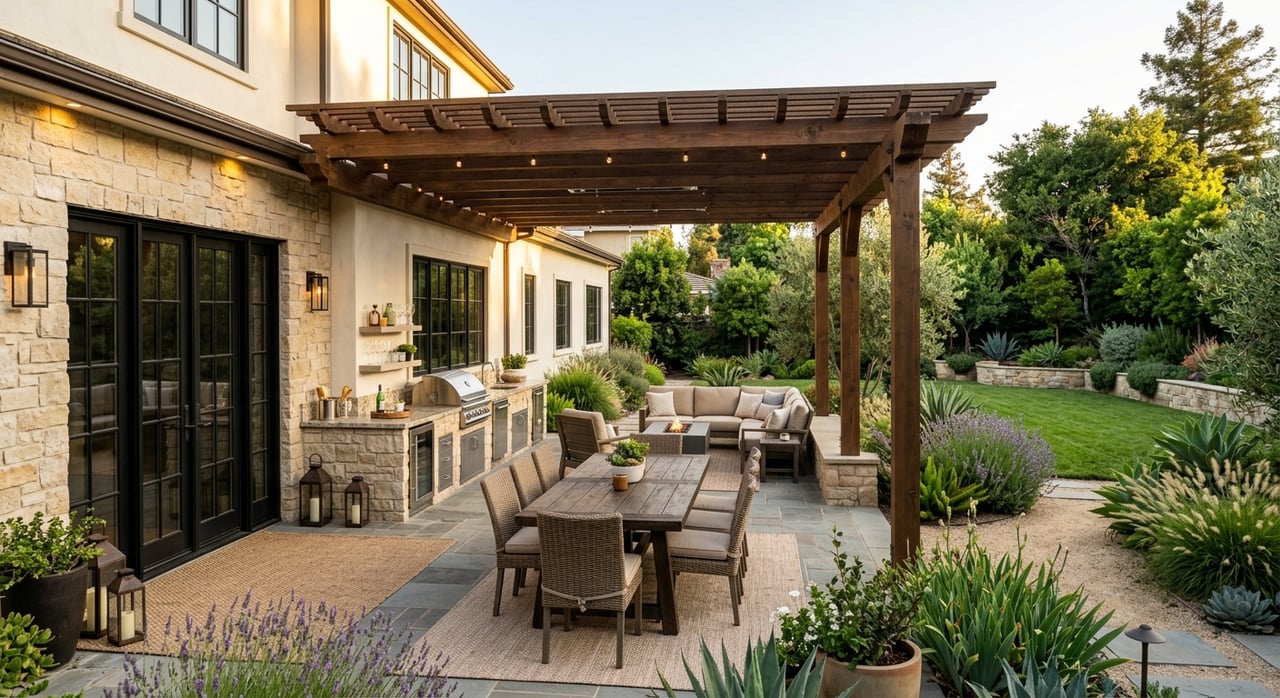
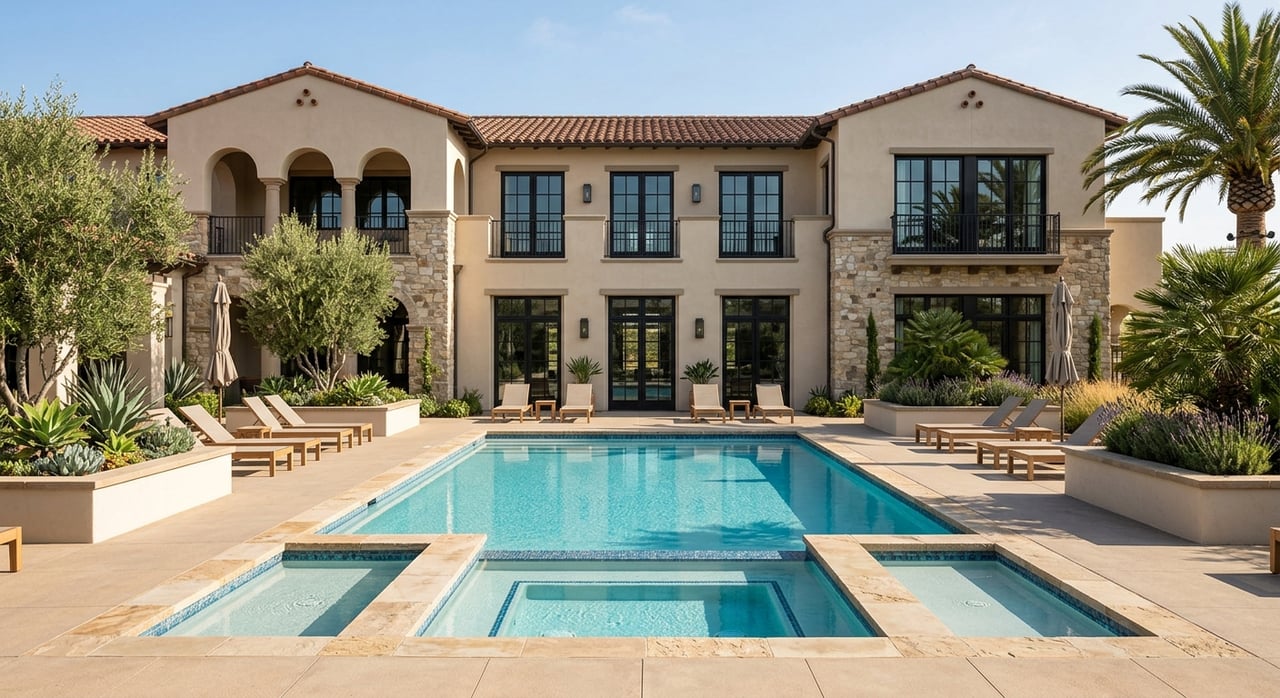
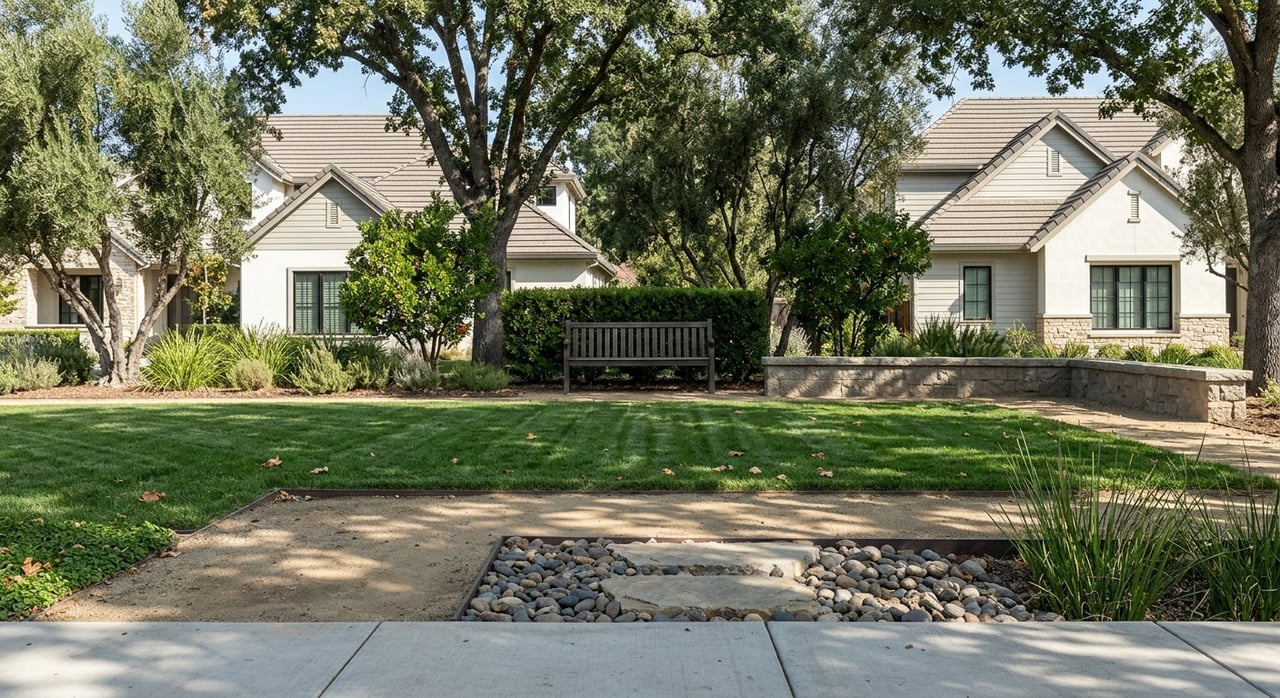
Established neighborhoods like The Parkway and Broadstone usually come with mature landscaping, more architectural variety, and a clear resale track record. You may find larger lots and more separation between homes. These areas often have fewer phased obligations and a more settled community character.
Warranties and buyer protection
A big draw of new construction is warranty coverage. Many builders follow a common structure: about 1 year for workmanship, 2 years for mechanical, plumbing, and electrical systems, and up to 10 years for major structural elements. These are industry norms and can vary by builder and policy. Always read the full warranty language and confirm start dates, claim procedures, and whether a third party insures the coverage.
For resale homes, there is no builder warranty. Your protection comes from thorough inspections, seller disclosures, and any transferable warranties on systems such as roof, HVAC, or appliances. You can often negotiate repairs or credits during escrow based on inspection findings.
Timelines and closing speed
If you want to move fast, ask whether a new home is an inventory or spec home. Completed inventory can often close in weeks once your financing is ready. Build-to-order homes typically run months, often 6 to 12 or more depending on the builder, lot, permitting, and supply chain.
In large Folsom master plans, community amenities and roads may be delivered in phases. The area can feel unfinished for several years while construction continues. Resale transactions usually follow a shorter escrow, often 30 to 45 days after acceptance, depending on financing and contingencies.
Lot size, layout, and outdoor space
New neighborhoods often optimize density with narrower lots and smaller setbacks. Builders use smart floor plans to create open living areas and generous kitchens, even on smaller sites. You get a fresh, efficient layout but may trade away yard depth or side-yard width.
The Parkway and Broadstone tend to offer larger lots, mature trees, and more separation between homes. This can improve privacy and outdoor living but may mean higher landscaping upkeep. Always verify the exact lot dimensions and consider orientation, topography, solar access, and any easements.
Taxes, Mello-Roos, and HOA fees
In California, base property tax is about 1 percent of assessed value under Proposition 13, plus local assessments and bonds. A change of ownership usually triggers reassessment to current market value. Newer Folsom communities often include Mello-Roos or Community Facilities District special taxes that fund infrastructure like roads, parks, and schools. These charges are in addition to the base tax and can materially affect your monthly costs.
New master-planned areas can have both a master HOA and a neighborhood HOA. Fees depend on the amenities and services provided and can be higher when communities maintain extensive parks or facilities. In established areas, HOAs may still apply but often without the same layered structure.
What to do before you commit:
- Request the current tax bill and the official Mello-Roos or CFD disclosure for the specific parcel.
- Review HOA CC&Rs, budgets, reserve studies, and recent meeting minutes to understand fees and any planned assessments.
- Ask for insurance certificates and a clear outline of what the HOA covers versus the homeowner.
Pricing, incentives, and long-term value
Builders often advertise a base price then offer incentives such as closing cost credits, rate buydowns, or design upgrades. Incentives change with market conditions and inventory. Your leverage can vary, so a careful comparison of net costs is key.
Resale value depends on fundamentals like location, lot size, neighborhood stability, and street appeal. A new home’s modern plans and efficient systems can help on resale, but identical finishes across many nearby homes can limit uniqueness. In large new developments, oversupply of similar homes, incomplete amenities, and higher carrying costs such as Mello-Roos and HOA fees can affect future demand.
Appraisals for brand-new homes can be tricky when there are few closed comparable sales. In those cases, appraisers may lean on model pricing and builder data, which can complicate financing. Established neighborhoods usually have clear comps, which can make pricing and appraisal more predictable.
Energy efficiency and systems
New Folsom homes are built to current California building and energy codes. You will often see improved insulation, modern HVAC, efficient windows and appliances, and provisions for EV charging. Ask each builder for a detailed package of included features so you know exactly what you are getting.
Resale homes may need updates to meet current efficiency expectations. Depending on condition, upgrades such as HVAC replacement, window improvements, or EV charger installation can be planned over time.
Maintenance and immediate costs
New construction can reduce near-term maintenance. Systems are new, and many items are covered under warranty for the first year or more. That said, you should still plan independent inspections and a detailed walkthrough schedule.
Resale homes may need near-term capital investments such as roof work, HVAC replacement, termite treatment, or landscape refreshes. Factor the age of major systems and discuss costs and timelines with your inspector and agent.
Amenities, schools, and traffic
In Folsom’s growth areas, community amenities like parks and schools may be delivered in phases over several years. Confirm school attendance boundaries directly with the Folsom Unified School District and ask for any updates on planned openings or changes. Established neighborhoods typically have mature street networks and known access to nearby retail and transit.
Traffic patterns can change as new phases open. Drive your commute during peak hours and ask about planned road projects so you can gauge daily travel time.
How representation works with builders
Builder sales agents represent the builder. They cannot represent your interests. Having a buyer’s agent who understands new construction in Folsom can help you evaluate contracts, negotiate incentives, and structure inspections.
Where a buyer’s agent adds value:
- Negotiates upgrades and incentives based on current inventory and builder priorities.
- Reviews contract terms, including change orders, dispute procedures, and timelines.
- Coordinates independent inspections, including pre-drywall and final walkthroughs.
- Helps compare preferred lender incentives with outside loan options to find the best net terms.
Due diligence checklist for Folsom buyers
Use this list to keep your purchase on track:
- Request the full builder purchase agreement and warranty documents up front.
- Ask for the Mello-Roos or CFD disclosure and current special tax rate for the lot.
- Obtain HOA documents: CC&Rs, bylaws, rules, budget, reserve study, recent minutes, and insurance.
- Review city-approved maps, phasing schedules, and amenity plans. Ask for soils or geotechnical reports for hillside lots.
- Order a title report and review easements or restrictions.
- Plan independent inspections: pre-slab or site (if applicable), pre-drywall, final, and an 11 to 12 month warranty walkthrough.
- Verify school boundaries with the Folsom Unified School District.
- Check recent closed comps and days on market using local MLS data.
Which option is right for you?
Choose new construction if you value modern layouts, energy efficiency, and lower short-term maintenance, and you are comfortable with layered fees and a build timeline. This path can make sense if incentives cover meaningful costs and you are flexible on move-in timing.
Choose resale if you prefer larger lots, mature landscaping, and a more established neighborhood feel. Resale can deliver shorter escrow timelines and clear comps, which helps with appraisal and resale planning.
Try this quick decision snapshot:
- Timeline: If you need to move within 45 days, prioritize resale or a new inventory home.
- Budget planning: If predictability matters, get exact Mello-Roos figures and HOA budgets for any property you are considering.
- Outdoor space: If a deeper yard is a must, focus on established neighborhoods first.
- Construction environment: If you want a finished neighborhood feel, weigh resale or later phases in master-planned areas.
Your next step
Whether you are eyeing a lot in Folsom Ranch or a move-in ready home in The Parkway or Broadstone, the right plan starts with clear information and a strong advocate. If you want help comparing specific properties, reviewing HOA and Mello-Roos documents, or structuring inspections and incentives, connect with The Friedrich Team. Our local experience in master-planned Folsom communities and established neighborhoods can help you buy with confidence.
FAQs
What is Mello-Roos and how does it affect Folsom buyers?
- Mello-Roos is a special tax in many new developments that funds infrastructure and is paid in addition to base property tax, so you should request the parcel’s official disclosure and factor the amount into monthly costs.
How long does a build-to-order home in Folsom take?
- Build-to-order timelines commonly run 6 to 12 months or more depending on the builder, lot, permitting, and supply conditions, while completed inventory can close much faster.
Do I need a home inspection on new construction?
- Yes, plan independent inspections such as pre-drywall and a final walkthrough, plus an 11 to 12 month review to capture warranty items before coverage periods expire.
How do HOA fees differ between new and established neighborhoods?
- New master-planned areas often have a master HOA plus a neighborhood HOA with fees tied to amenities, while established areas may have simpler structures, so review budgets, reserve studies, and meeting minutes.
How do builder incentives work and should I use the preferred lender?
- Incentives like rate buydowns or closing credits can lower your net cost, but compare the preferred lender offer with independent options to confirm the best overall terms.
Will buying new improve my future resale value in Folsom?
- Resale value depends on fundamentals such as location, lot size, neighborhood stability, and carrying costs, so weigh modern features against factors like Mello-Roos, HOA fees, and nearby competing inventory.