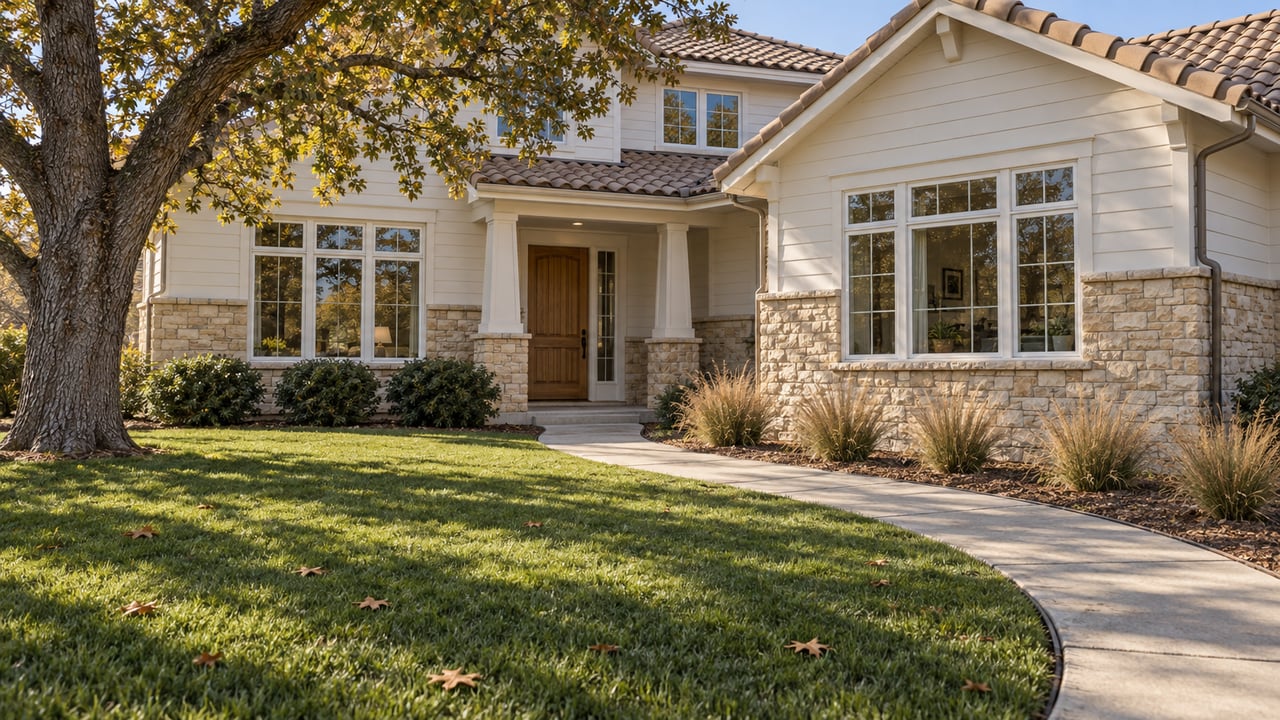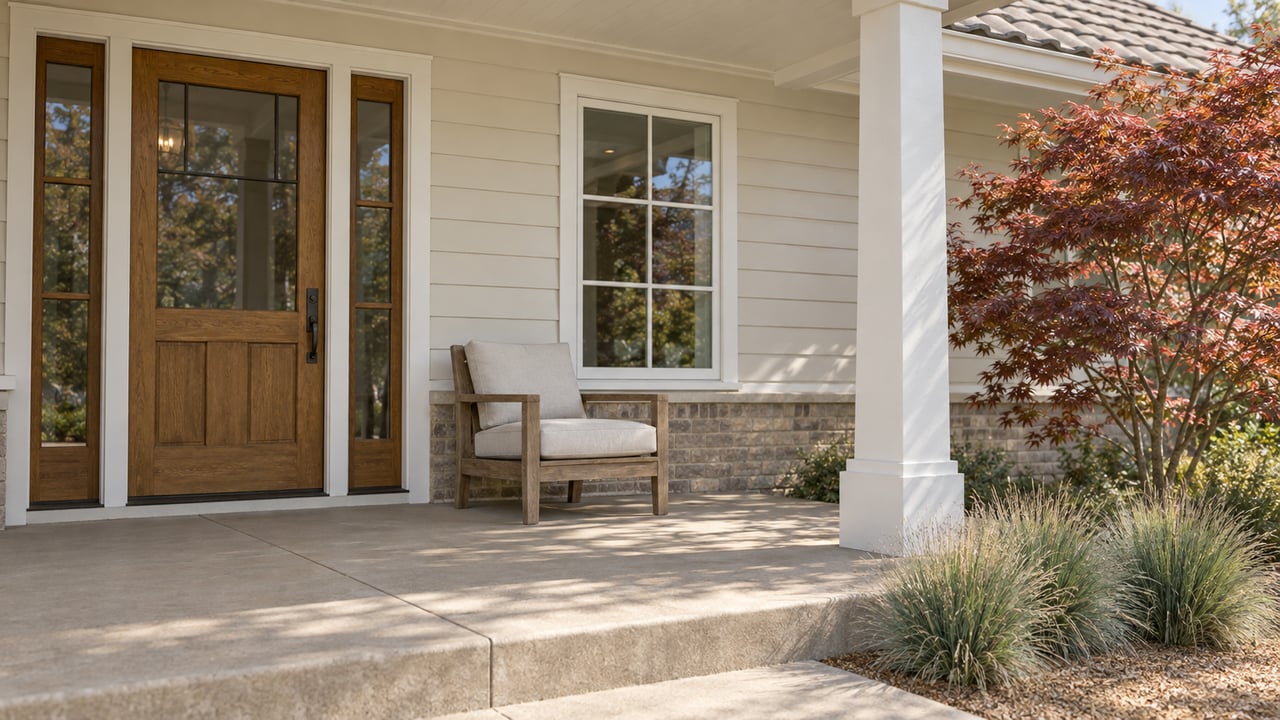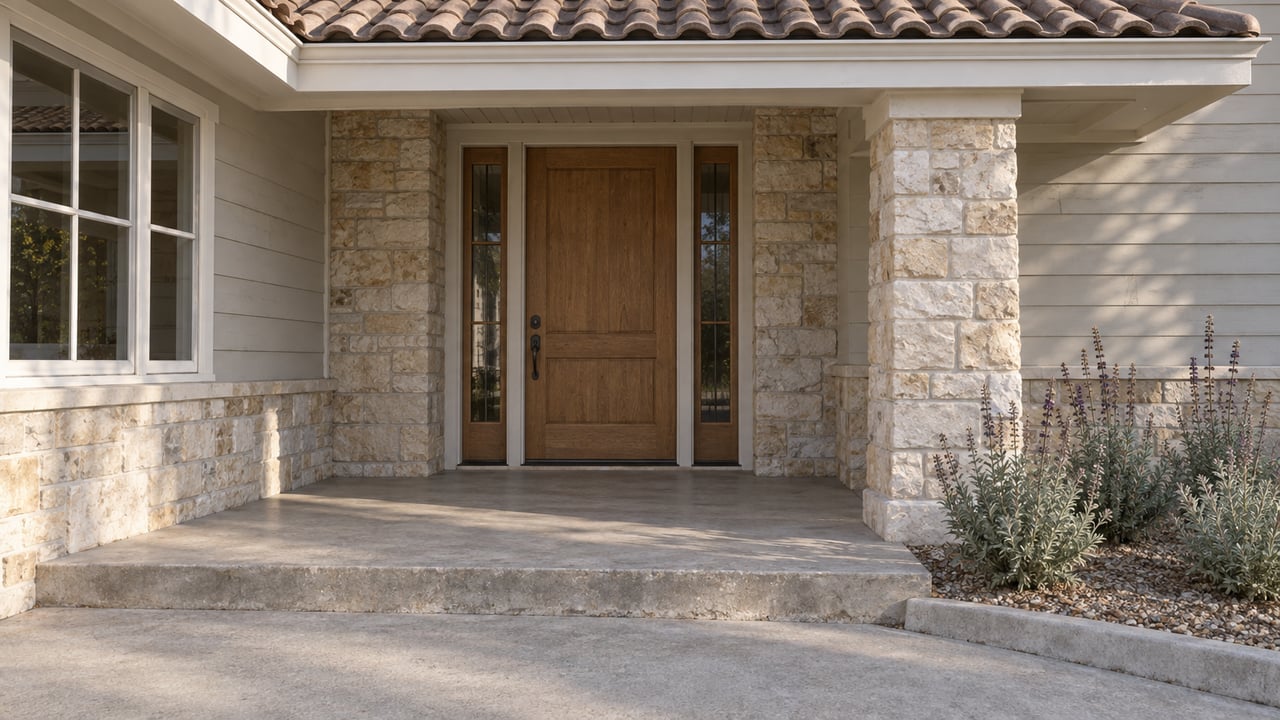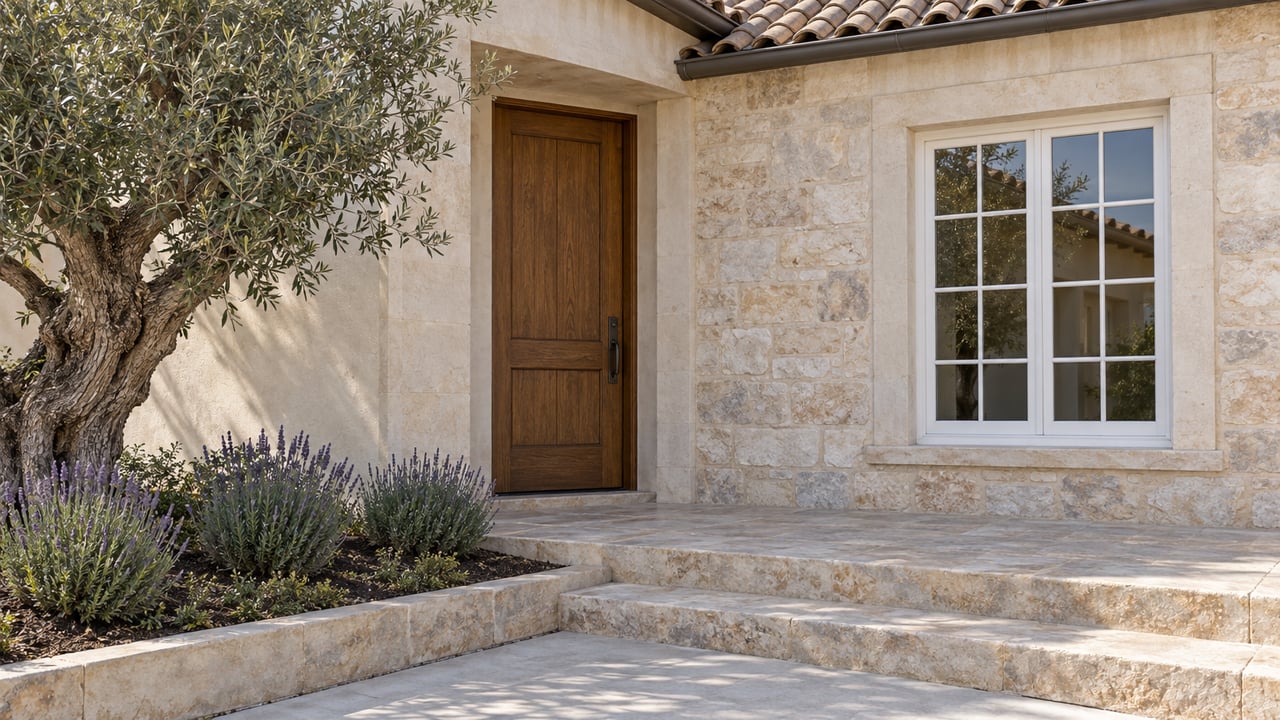
Trading Bay Area density for more space, trails, and newer homes can feel exciting and overwhelming at the same time. You want clear numbers, realistic commute options, and a neighborhood fit you can trust without spending every weekend on I‑80. In this guide you’ll see how Folsom stacks up on price and lifestyle, how Broadstone, Empire Ranch, and Folsom Ranch compare, and how to handle showings when you live two hours away. Let’s dive in.
Why Folsom appeals to Bay Area buyers
Folsom is a growing Sacramento suburb with active development in the city’s Folsom Plan Area south of Highway 50. City materials outline a large master plan with new neighborhoods, parks, and a commercial core that will continue to build out over time. You can review the plan’s scope on the city’s Folsom Plan Area page and Specific Plan for a sense of the long‑term vision.
- Learn about the city’s growth focus in the Folsom Plan Area on the City of Folsom site: Folsom Plan Area overview and the Specific Plan document.
Housing value is a key draw. Multiple market trackers show Folsom’s citywide numbers in the mid to high $700Ks as of early 2026, with recent snapshots around a $770,000 median sale price and a roughly $744,000 typical home value. In contrast, core Bay Area medians in San Francisco and San Jose often top $1.2M to $1.5M. The takeaway is simple: your budget usually buys more square footage and yard in Folsom than in many Bay Area metros.
Daily logistics are manageable. Folsom’s mean travel time to work sits around 25 to 26 minutes citywide, which is shorter than many cross‑bay commutes in the Bay Area. You can confirm the commute baseline in U.S. Census QuickFacts for Folsom. A notable set of regional employers also operate here, including technology, manufacturing, finance, and healthcare organizations, which creates local job density and daytime activity. See the city’s Economic Development fast facts and employers for context.
Neighborhood profiles to compare
These quick profiles focus on location, home types, commute access, and everyday feel so you can narrow fast.
Broadstone
Broadstone sits south of Highway 50 within the broader Folsom Plan Area near Broadstone Parkway. The area mixes newer tract homes, select attached options in nearby complexes, and neighborhood parks built into the plan. You’ll find convenient access to Highway 50 for regional trips and proximity to retail along Folsom Boulevard.
Price signals in recent snapshots tend to run near or slightly below the city median, reflecting a range of newer home sizes and some attached options. If you value newer construction, planned parks, and straightforward regional access, Broadstone is worth a close look. For a sense of how this area continues to grow within the larger plan, review the Folsom Plan Area overview.
Empire Ranch
Empire Ranch is an established master‑planned neighborhood that wraps around the public 18‑hole Empire Ranch Golf Club. Homes were largely built in the late 1990s through the 2000s, with many streets offering mature landscaping, larger lots by local standards, and miles of nearby trails. Location places you a touch closer to established shopping and services compared with the newest south‑of‑50 villages.
Neighborhood medians often track near or above the broader Folsom median in recent snapshots. If you prefer an established streetscape, golf and greenbelt views, and quick access to city amenities, Empire Ranch consistently delivers that feel. Trail access and a central position make local errands and recreation simple.
Folsom Ranch (south of Highway 50)
Folsom Ranch is the city’s large, multi‑year master plan south of Highway 50. It spans roughly 3,200 acres and includes multiple builders, new parks and schools, and a growing commercial core known as The Shops at Folsom Ranch. City and local coverage highlight continued milestones and openings as the area builds out. You can track community updates via the city’s Parks & Recreation projects and regional coverage such as the Folsom Times’ development roundup.
Housing here is primarily new construction. Expect modern floor plans, energy‑efficient features, and yard sizes that trend smaller than older neighborhoods. Neighborhood‑level medians in recent snapshots often land near or slightly above the city median. If you want brand‑new homes, builder warranties, and the convenience of emerging parks and schools within the plan, Folsom Ranch is a strong candidate. Just remember that commercial nodes will continue to mature over several years.
Daily life and getting around
Folsom driving times are predictable compared with many Bay Area corridors. The city’s mean commute sits around 25 to 26 minutes, and most residents drive alone or work from home. Proximity matters: central neighborhoods can have shorter local drives to errands, while parts of the Plan Area south of Highway 50 may add a few minutes during peak hours. You can reference U.S. Census QuickFacts for Folsom for the commute baseline.
If you prefer transit into Sacramento, the SacRT Gold Line serves the Folsom area with stations at Historic Folsom, Glenn/Robert G. Holderness, and Iron Point. Service improvements target more frequent trains in the Folsom segment, which makes a transit commute to downtown Sacramento practical for many. Explore the system and frequency highlights starting with the Folsom 15 service update and the Historic Folsom station page.
Trips back to the Bay Area are realistic for occasional visits, client meetings, or family events. Representative driving distances are about 108 to 110 miles between San Francisco and Folsom and roughly 130 to 140 miles between San Jose and Folsom. Typical drive times often range from 1.5 to 2.5 hours from San Francisco and 2 to 3 hours from San Jose depending on traffic and route. You can check distances with Travelmath’s San Francisco to Folsom tool and San Jose to Folsom. Many buyers also use Capitol Corridor trains to reach Sacramento, then transfer to SacRT’s Gold Line to finish the trip.
How to relocate with confidence from the Bay Area
You can make smart choices with minimal in‑person time by running a virtual‑first process, then focusing your travel on a short list.
A simple pre‑trip game plan
- Step 1: Define your fit by neighborhood. Ask for digital packets that summarize medians, recent sold comps, HOA ranges, school boundary maps, and quick commute notes. City plan pages are helpful for parks, trails, and planned commercial nodes.
- Step 2: Use interactive 3D tours and floor plans. Request Matterport or comparable 3D tours and a recorded, narrated video walk‑through for each shortlist home so you can review layout, light, and condition.
- Step 3: Schedule a focused visit. Once you have a tight list, plan a 1 to 2 day trip for in‑person tours, second looks, and early inspections as needed.
Virtual‑first tactics that work
- Combine 3D tours with live video Q&A so you can pause on details that listing photos miss.
- Compare micro‑market comps across Broadstone, Empire Ranch, and Folsom Ranch to understand value by lot size, age, and upgrades.
- Line up a strong local pre‑approval and digital document flow so you can write confidently when the right home appears.
Closing logistics made simple
- New construction will include HOA documents, builder warranties, and development phasing details. Request these early and consider an inspector with recent new‑build experience.
- Title companies and many lenders support e‑signatures. Confirm any in‑person notary steps so you can plan a quick trip if required.
- Your local agent can coordinate inspections and repair negotiations on your behalf if you cannot attend in person.
Short‑notice trip ideas
- 24–36 hour blitz: Day 1 morning neighborhood drive‑bys, afternoon 4 showings, Day 2 morning second looks and an inspector or lender check‑in. Submit offers mid‑day if you are ready.
- 2–4 day explore: Mix neighborhoods, stop by schools if relevant to your criteria, and try dinner along Historic Sutter Street to sample local lifestyle.
What to have ready
- Recent sold comps and neighborhood medians for your top areas.
- Recorded walk‑throughs and 3D tours for each finalist property.
- A short list of local inspectors for general, roof, pest, and any specialty needs.
- A travel calendar that maps your offer, appraisal, and contingency timelines.
Which Folsom neighborhood fits you
Use this quick cheat‑sheet to narrow your list, then validate with current comps and a neighborhood visit.
- Broadstone: Newer plan‑area homes with parks, nearby schools, and direct Highway 50 access. Good if you want newer construction and straightforward regional drives.
- Empire Ranch: Established master plan with golf, greenbelts, and mature landscaping. Good if you value larger lots by local standards and quick access to established city amenities.
- Folsom Ranch: Large south‑of‑50 master plan with modern floor plans, new parks and schools, and a growing commercial core. Good if you want brand‑new homes and can live with an evolving retail scene that will mature over time.
Next steps
If you are moving from the Bay Area, your best first step is to compare real‑time sold comps and narrow to two neighborhoods before you plan a visit. We can help you run a virtual screen, map your commute patterns, and coordinate a focused showing trip so you maximize limited time. When you are ready, connect with The Friedrich Team for a neighborhood consult or to start planning your move.
FAQs
What are typical Folsom home prices in 2026?
- Multiple trackers place Folsom in the mid to high $700Ks as of early 2026, with recent snapshots around a $770,000 median sale price and a roughly $744,000 typical value.
How long is the commute from Folsom to downtown Sacramento by transit?
- SacRT’s Gold Line connects Folsom stations to Sacramento Valley Station, and recent service improvements target more frequent trains into Folsom.
Is daily commuting from Folsom to the Bay Area realistic?
- For most people, daily driving is impractical given 100 to 140 miles each way, but occasional trips are common by car, Capitol Corridor train to Sacramento, or via SMF flights.
How do Broadstone, Empire Ranch, and Folsom Ranch differ?
- Broadstone skews newer with quick regional access, Empire Ranch is established around a public golf course with mature landscaping, and Folsom Ranch offers brand‑new homes in a large, evolving master plan.
What is the average commute time for Folsom residents?
- Citywide mean travel time is roughly 25 to 26 minutes according to U.S. Census QuickFacts for Folsom.
Can I buy in Folsom mostly virtually from the Bay Area?
- Yes—use 3D tours, recorded walk‑throughs, micro‑market comps, and a focused 1–2 day visit for finalists, then complete most paperwork with e‑signatures and remote coordination.