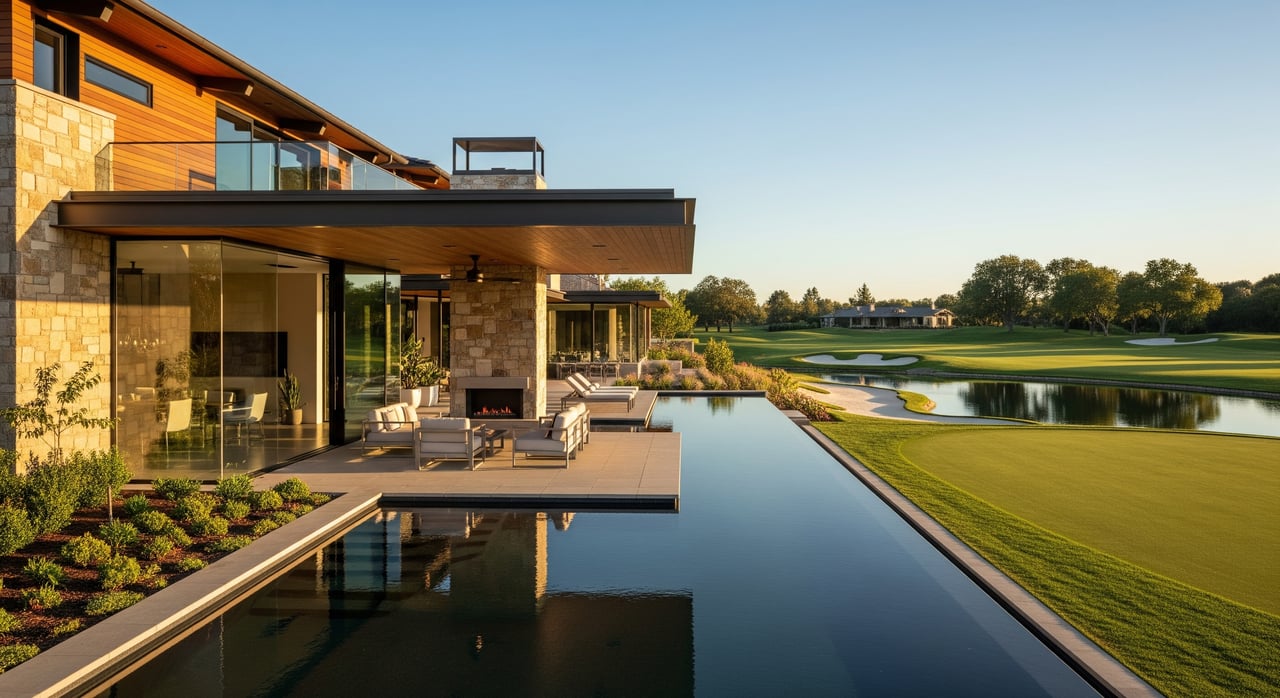
Wondering what your fairway view is really worth in Empire Ranch Village? If you are preparing to sell, pricing a golf-course home can feel tricky because the view, privacy, and even tee-box location all matter. The good news is you can quantify those premiums with local evidence and avoid leaving money on the table. This guide shows you the key value drivers, how to select the right comps, and practical methods to calculate view premiums so you can price with confidence. Let’s dive in.
What drives value in Empire Ranch
Golf adjacency in Empire Ranch Village is both an amenity and a potential nuisance. Buyers love usable views and privacy, but they are cautious about noise, foot traffic, and errant balls near tees and greens. Rarity matters too, since direct fairway frontage is less common than partial or glimpse views. Your condition and outdoor living areas also influence whether buyers feel they can enjoy the course right away.
Frontage and fairway exposure
Direct golf-course frontage is often the strongest value driver. Buyers respond to lots that face the fairway, green, or tee, especially when sightlines are open and oriented from main living spaces. You can measure frontage by linear feet and note whether there is a gate or unobstructed access. In pricing, treat frontage as a core adjustment category and support it with paired sales when possible.
Tee box proximity and nuisance risk
Being very close to a tee box can reduce appeal for some buyers due to errant shots, noise, and player congregation. Mid-fairway or green-front sites often perform better than homes adjacent to a tee box. Record horizontal distance to tees and greens and note any protective trees or mounds. If your home is close to a tee, plan for a smaller premium or a discount based on local comps.
View corridors and room orientation
The quality of the view depends on how open it is and where you see it from. A clear, panoramic view from your great room, kitchen, or primary suite commands more value than a partial or seasonal glimpse. Categorize views as Full, Partial, Glimpse, or None and document which rooms capture them. This helps you apply tiered adjustments with confidence.
Privacy, buffering, and usability
Privacy is crucial for many buyers. Trees, elevation, and setbacks can provide a buffer from cart paths and players. Direct sightlines from the course into living areas can limit buyer interest or compress the premium. Make notes on distance to cart paths, fence and tree height, and any grade changes that help with separation.
Condition and outdoor living
Condition can amplify or shrink the view premium. A well-finished outdoor space with patios, decks, and windows oriented to the course lets buyers enjoy the setting on day one. Deferred maintenance or blocked sightlines forces buyers to price in remediation and can reduce your premium. Consider simple improvements that highlight the view and improve usability.
Market liquidity and buyer pool
Premiums move with supply and demand. In a tight market with strong interest in golf views, premiums can expand. When inventory rises or the buyer pool is less golf-oriented, premiums compress. Track days on market and list-to-sale ratios for golf-front versus non-view homes in Empire Ranch Village to understand momentum.
How to select the right comps
Use a tight, evidence-led process to isolate the golf amenity:
- Prioritize closed sales within Empire Ranch Village from the past 6 to 12 months.
- Match product type, square footage within about 10 to 15 percent, beds and baths, lot size, and age.
- Include both golf-front and non-view comps to isolate the view effect.
- Tag each comp by view category, distance to tee or green, privacy buffers, and linear frontage if available.
- Adjust first for time and core physical differences, then layer in location and condition, and finally the view/privacy premium.
Ways to quantify view premiums
You do not need to guess. Use at least two methods and reconcile.
Paired sales method
Compare two recent sales in Empire Ranch Village that are highly similar except for the golf view or frontage. Subtract the non-view sale from the view sale to derive a premium, then express it as a percentage of the non-view sale. This is often the strongest evidence.
Price per sqft method
Calculate average price per square foot for golf-front and non-view homes. Apply the difference to your home’s square footage. This uses several sales to smooth out one-off factors.
Percentage-of-base method
Apply a percentage to the base value after normal adjustments. Full, high-quality golf views can fall within a multi-percent range, often roughly 5 to 20 percent depending on view quality and local demand. Reduce the figure for partial views or tee-box proximity.
Linear-foot frontage method
If frontage varies meaningfully across lots, establish a dollar per linear foot rate from recent sales. Multiply by your lot’s linear frontage to estimate the premium. Use this when frontage length is a clear differentiator.
Worked example
Consider a 2,000 square foot home in good condition with direct fairway frontage and 50 feet of frontage. A non-view comp adjusted for size indicates about $624,000. A similar golf-front comp adjusted for size indicates about $706,400. The implied premium is about $82,400, which is roughly 13 percent of the non-view base in this hypothetical example. Price per square foot and linear-foot methods in this scenario point to a similar premium, which supports the conclusion.
Practical listing game plan
A strong listing plan helps you earn and defend the premium.
- Photograph primary rooms that frame the course and the outdoor living areas at different times of day.
- Remove visual clutter and trim landscaping that blocks key sightlines.
- Document view category, linear frontage, distance to tee or green, and privacy features.
- Prepare a concise comp packet that shows paired evidence and price-per-square-foot differentials.
Disclosures, HOA, and risk checks
Be clear about any known issues from course operations such as pesticide spraying, flood irrigation, or past errant ball incidents. Buyers may also ask about glass replacement, liability if the yard opens to the course, and CC&Rs or easements that affect exterior changes. Understand who owns or operates the course and whether there are any known long-term plans that may impact value. Transparency builds trust and reduces surprises during escrow.
Marketing to win the premium
Your marketing should highlight the view quality and usability. Lead with photos and copy that state the view category and orientation from the main living spaces. If privacy is a strength, show the buffers clearly. In the MLS, use clear descriptors like “Direct Fairway Frontage” or “Panoramic Course Views” and list linear frontage if known.
Pricing strategy and negotiation tips
Use a pricing range anchored to your reconciled premium. Set a conservative-to-aggressive list band based on current days on market and the depth of the buyer pool. Expect buyers to negotiate for tee-box proximity, privacy concerns, or remediation needs, and have your evidence ready. Consistent, comp-backed adjustments help both appraisers and buyers accept the value.
How we help in Empire Ranch
You deserve a pricing plan that is precise and defensible. Our team specializes in Empire Ranch Village and nearby master-planned communities, and we pair local comps with a repeatable process to quantify view, privacy, and condition. We guide staging and presentation so the course setting shows at its best, and we prepare clean evidence for appraisers and buyers. That combination helps you protect your premium and move with confidence.
Ready to see what your view is worth and how to present it for top dollar? Request a Free Home Valuation and a custom pricing plan from The Friedrich Team.
FAQs
How much more do golf-front homes in Empire Ranch Village sell for?
- Premiums vary by view quality, privacy, and demand, and can fall within a multi-percent range, often roughly 5 to 20 percent at the high end when views are full and unobstructed.
Does being near a tee box affect value in Empire Ranch Village?
- Very close tee-box proximity can be a disamenity due to noise and errant shots, while mid-fairway or green frontage usually performs better in the market.
What comps should I use to price a golf-course home in Empire Ranch Village?
- Start with closed sales in the subdivision from the past 6 to 12 months that match size, beds and baths, lot, and condition, then compare golf-front and non-view to isolate the premium.
How do appraisers view golf-course premiums in this area?
- Appraisers look for local evidence such as paired sales, price-per-square-foot differences across view categories, and consistent, well-documented adjustments.
What should I disclose when selling a golf-course property?
- Disclose known issues like pesticide spraying, flood irrigation, encroachments, or errant ball incidents, and clarify HOA, CC&Rs, easements, and course ownership or plans.
Do I need special insurance for a home that opens to the course?
- Buyers often investigate coverage for glass damage and liability if the yard opens to the course, so it is wise to review policy options during prep or due diligence.