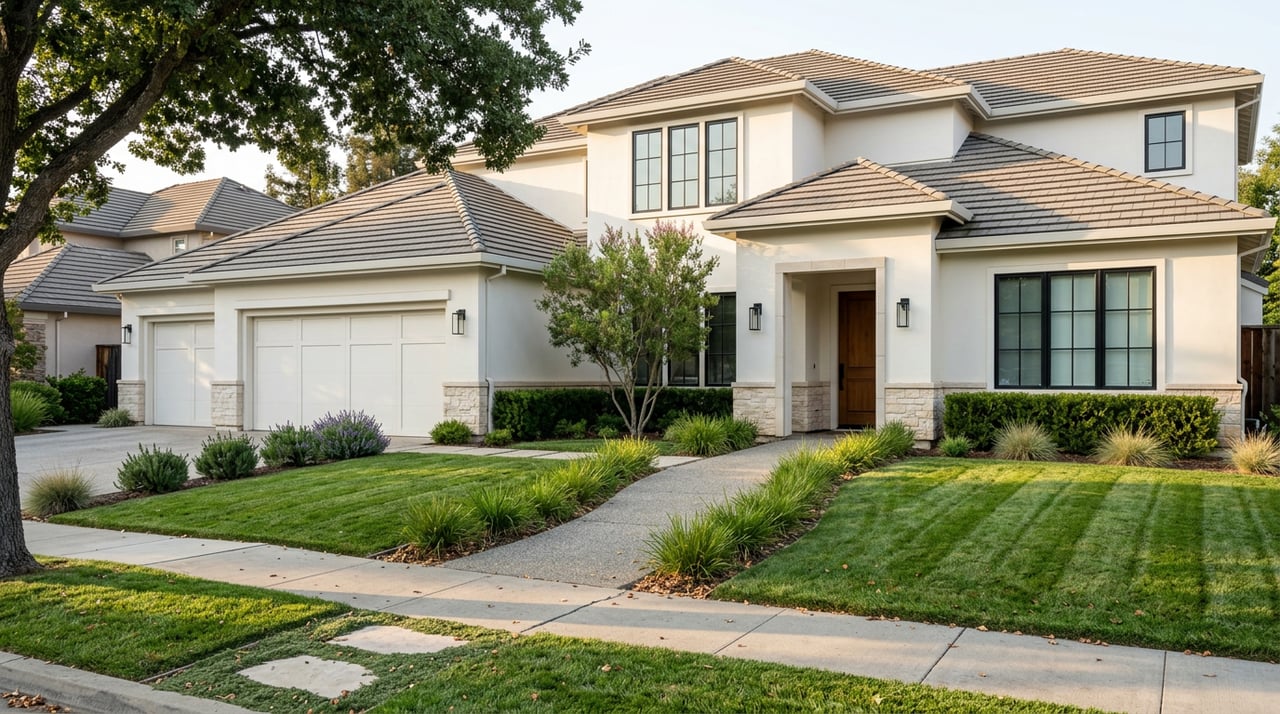
Can you sell a house with foundation or roof problems in Greater Sacramento?
Yes, and it happens more often than you might think. Greater Sacramento's housing stock includes older homes with real structural vulnerabilities, and sellers successfully close on them every year. The key is understanding what California law actually requires, what "as-is" does and doesn't mean, and how pricing and disclosure work together to protect you at the closing table.
I walk sellers through this situation regularly. Here's what you need to know before you list.
What "As-Is" Actually Means in California (It's Not What Most Sellers Think)
The phrase "as-is" shows up in Sacramento-area purchase agreements all the time. It means the buyer is accepting the property in its present condition, without the seller agreeing to make repairs. That part is straightforward.
What it does NOT mean: you are off the hook for disclosing what you know.
Under California's Transfer Disclosure Statement requirements, as outlined by the California Department of Real Estate, sellers of 1-4 unit residential properties must complete the TDS and disclose all known material defects. Foundation settlement, structural movement, roof leaks, prior repairs, all of it. The TDS specifically calls out structural deficiencies including the absence of foundation anchor bolts, unbraced cripple walls, and unreinforced masonry perimeter foundations.
Selling as-is changes your repair obligations. It does not change your disclosure obligations. Those are two completely different things, and confusing them is where sellers get into legal trouble.
California disclosure law lists "soil or foundation problems" and "significant pest damage" among the conditions that affect value or desirability and must be disclosed. If you know about it, it goes on the form, period.
Previous repairs don't get you off the hook either
This is a question I get a lot: "We had the foundation repaired five years ago, do we still have to disclose it?" Yes. California nondisclosure guidance is clear that known foundation issues, whether or not repairs have been attempted, are material facts that belong on the TDS. In fact, disclosing the repair and providing the invoice or warranty can actually work in your favor, it shows buyers the problem was addressed professionally.
The same logic applies to roofs. California disclosure practice strongly encourages sellers to note roof age and provide receipts for past repairs, especially in as-is listings. Undisclosed leak history is one of the most common triggers for post-closing disputes in this market. I always advise sellers to pull together any repair records they have before we go to market, it protects them and it builds buyer confidence.
Your listing agent has disclosure duties too
Under California Civil Code §2079, the listing agent is required to walk through accessible areas of the property and disclose observable defects, sloping floors, visible foundation cracks, water staining under rooflines. This isn't optional. When I take on a listing with known structural concerns, I make sure we document everything we can see and get it into the disclosure package before the first showing.
Pricing a Problem Property: What the Market Tells You
Disclosure protects you legally. Pricing protects you financially. Those two things have to work together.
Buyers in Greater Sacramento have options. When a home has a known foundation issue or a roof that's at end of life, buyers factor the cost of repair into every offer they write. If your price doesn't reflect the condition, you'll sit on market longer, attract lower-quality offers, or watch deals fall apart in due diligence. None of those outcomes serve you.
Recent Zillow market data for the broader Broadstone area shows a median sale price of $700,000 and a median of 44 days on market across the trailing 90 days as of August 2026. Homes with deferred maintenance or structural concerns typically take longer and require more aggressive pricing relative to updated comparable sales. Here's a snapshot of where the market sits across several Greater Sacramento neighborhoods right now:
Area | Median Sale Price | Median Days on Market |
|---|---|---|
Broadstone | $700,000 | 44 |
Empire Ranch | $872,500 | 55 |
The Parkway | $892,500 | 54 |
Waterford | $425,000 | 44 |
These are area-level medians for homes across all conditions. An individual home's value depends heavily on its specific condition, street, build year, and the current pool of active buyers. A home with a documented foundation issue in Empire Ranch will price differently than a turnkey comp on the same street, and the gap between those two numbers is exactly what a current market analysis needs to capture.
Your specific number depends on your home's condition, the scope of the structural concern, and what comparable distressed sales look like right now. That's where a local market analysis becomes essential. I can walk you through what the comps actually show for homes in similar condition in your neighborhood before you decide how to price or whether to make any repairs first.
If you're weighing whether to repair before listing, the post on how to sell a home that needs repairs covers that decision framework in detail.
Investor buyers versus traditional buyers
Problem properties in Greater Sacramento attract two very different buyer pools. Traditional buyers with conventional financing may face lender restrictions on homes with significant structural issues, some loan programs require the property to meet minimum condition standards before funding. Investor and cash buyers, on the other hand, often specifically target as-is listings and move faster through escrow because they're not subject to those lender requirements.
Knowing which buyer pool is most realistic for your home shapes everything about how we position it. A broader listing strategy that reaches both pools gives you the best shot at competitive offers even with a disclosed structural issue.
Transfer Tax, Title, and Escrow: How It Works in Sacramento County
One thing sellers with problem properties sometimes worry about is whether a title company will close on the deal at all. The short answer: title companies in Greater Sacramento generally do close on homes with foundation or structural issues. Title insurance covers ownership and lien issues, not physical condition, so a foundation problem doesn't automatically create a title problem.
What title and escrow do handle is the mechanical side of the transaction: calculating and collecting the Sacramento County documentary transfer tax, showing it as a line item on the closing statement, and remitting it when the deed records with the County Clerk/Recorder.
As of the most recent county FAQ, dated March 11, 2025, Sacramento County's documentary transfer tax rate is set at $0.55 per $500 of property value, excluding loans assumed by the buyer. The Sacramento County Clerk/Recorder's office administers this tax at the county level, separate from any city-level add-ons that may apply within Greater Sacramento.
Who pays the transfer tax is a matter of local custom and contract negotiation, not a statutory requirement. The county FAQ describes the rate and how it's calculated, but it does not assign the obligation to buyer or seller. In practice, it's typically addressed in the purchase agreement and reflected in the escrow instructions. Confirm how it's allocated in your specific contract with your escrow officer.
What title companies will flag in a problem-property transaction: if there are unpermitted repairs, liens from prior contractors, or open permits on structural work, those can create title issues that need to be resolved before closing. If you've had foundation work done, I recommend pulling your permit history early so we can address anything that might slow escrow.
Escrow on a home with significant structural concerns often runs longer than a standard transaction. Buyers need time to complete specialized inspections (structural engineers, soils reports), review disclosure packages, and get lender sign-off if financing is involved. Building that timeline into your expectations from the start avoids surprises.
Frequently Asked Questions
If I sell my Sacramento house "as-is," do I still have to disclose foundation or roof problems?
Yes. "As-is" language in a California purchase agreement means you're not agreeing to make repairs, it does not exempt you from completing the Transfer Disclosure Statement or disclosing known material defects. California DRE guidance is explicit: known foundation issues, structural deficiencies, and roof leak history must be disclosed regardless of how the sale is structured. Failing to disclose exposes you to nondisclosure claims after closing.
Are Sacramento County sellers legally required to disclose previous foundation repairs?
Yes. California nondisclosure law treats known foundation issues as material facts whether or not they've been repaired. If you had foundation work done and you know about it, it belongs on the TDS. The good news: disclosing the repair along with invoices and warranties often reassures buyers rather than scaring them off.
How does the documentary transfer tax work in Sacramento County, and who pays it?
Sacramento County's documentary transfer tax is set at $0.55 per $500 of property value, excluding assumed loans, per the county Clerk/Recorder's most recent FAQ (March 2025). The title/escrow company calculates, collects, and remits it at closing. Who pays, buyer or seller, is negotiable and determined by the purchase contract, not by statute. Confirm the allocation with your escrow officer.
Will a title company close on a Sacramento home with major foundation issues?
Generally yes. Title insurance covers ownership and lien matters, not physical condition, so a structural issue alone doesn't prevent closing. What can create title complications are unpermitted repairs, contractor liens, or open permits tied to prior structural work. If you've had foundation work done, pull your permit history early so any open items can be resolved before escrow. Your escrow officer is the right person to flag anything specific to your transaction.
Can I be sued for not disclosing a known roof leak in a California as-is sale?
Yes. California disclosure law requires sellers to disclose known material defects that affect value or desirability, and a known roof leak qualifies. "As-is" does not create an exception. Buyers who discover an undisclosed defect after closing can pursue nondisclosure claims, and courts have consistently held sellers to their disclosure obligations regardless of as-is contract language. When in doubt, disclose.
Selling a home with foundation issues or an aging roof in Greater Sacramento is manageable when you approach it the right way: full disclosure, realistic pricing backed by actual comps, and a clear strategy for reaching the right buyers. Every situation is different, and the only way to know what your home is worth in its current condition is to run the numbers with someone who knows this market well.
I'm happy to walk you through a no-pressure market analysis and talk through your options, whether that's listing as-is, making targeted repairs first, or something in between. Schedule a consultation with The Friedrich Team and let's figure out the right path for your specific property.
Equal Housing Opportunity. Renee Friedrich, CA DRE# 01796570; eXp Realty of California, Inc. CA DRE# 01878277, regulated by the California Department of Real Estate. This article is general information only and is not legal, tax, or financial advice, confirm your specific numbers and obligations with your attorney, tax advisor, lender, or escrow officer. All information is deemed reliable but not guaranteed and should be independently reviewed and verified.