Walk a dog along the upper streets of The Summit on the right morning and you might come around a bend to find a herd of goats working a hillside that was thick with dry star thistle a week earlier. Nobody in the neighborhood treats this as strange. It happens once a year, the goats move through, and the slope looks different by the time they're done.
Every real estate write-up of this gated enclave off El Dorado Hills Boulevard and Green Valley Road mentions the goats as a charming footnote, right alongside the lake views and the historic trail. What almost none of them explain is why a neighborhood built for custom homes on rolling lots needs livestock to do landscaping in the first place, or what that says about the actual terrain this community sits on.
The Boundary The Neighborhood Sits On
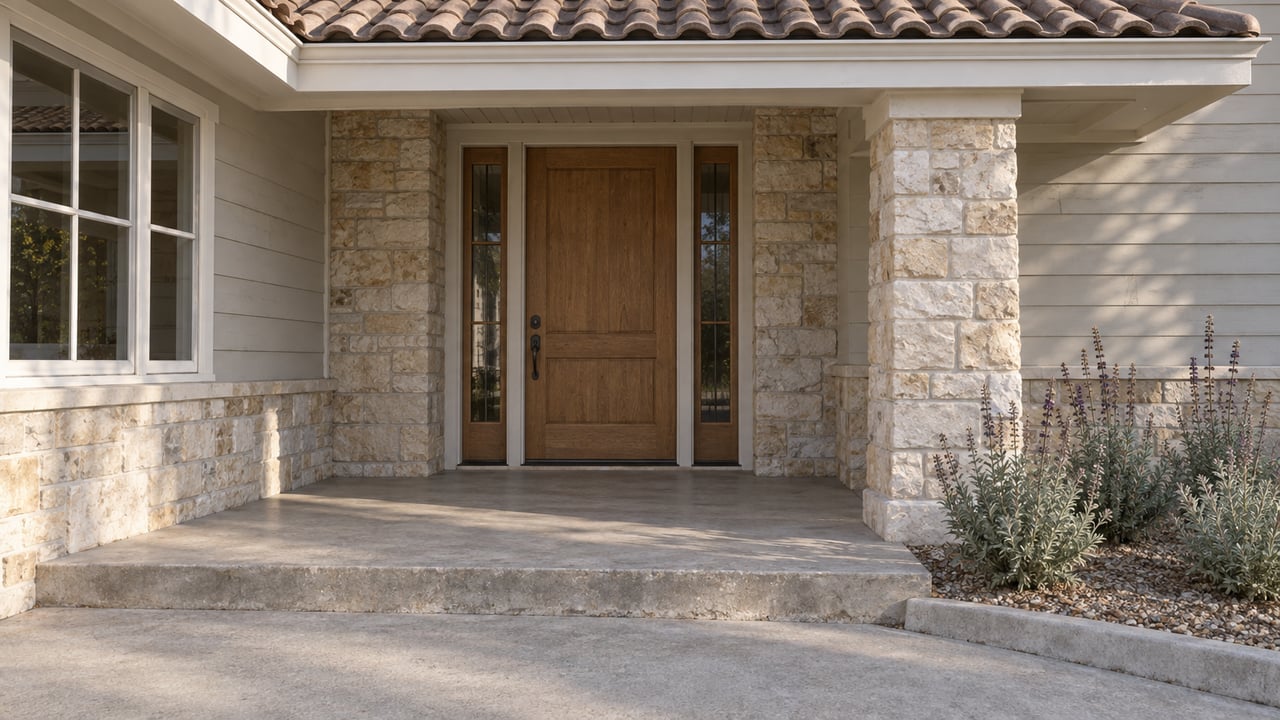
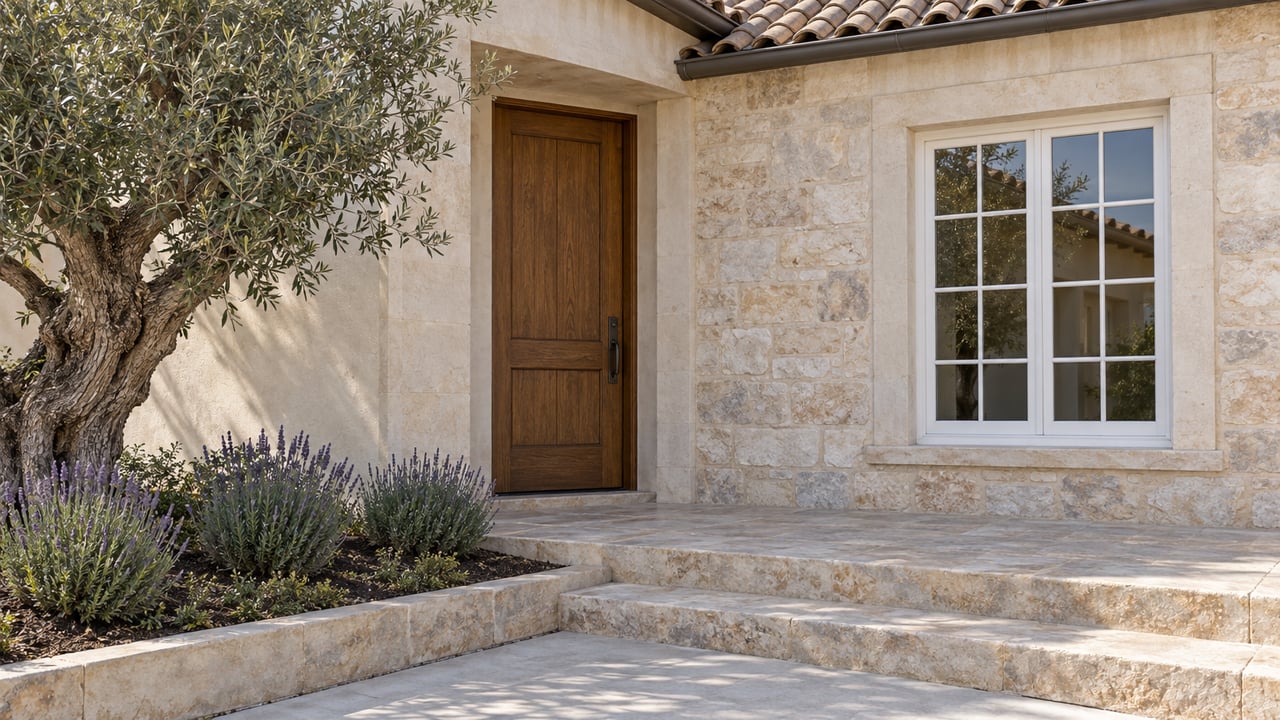
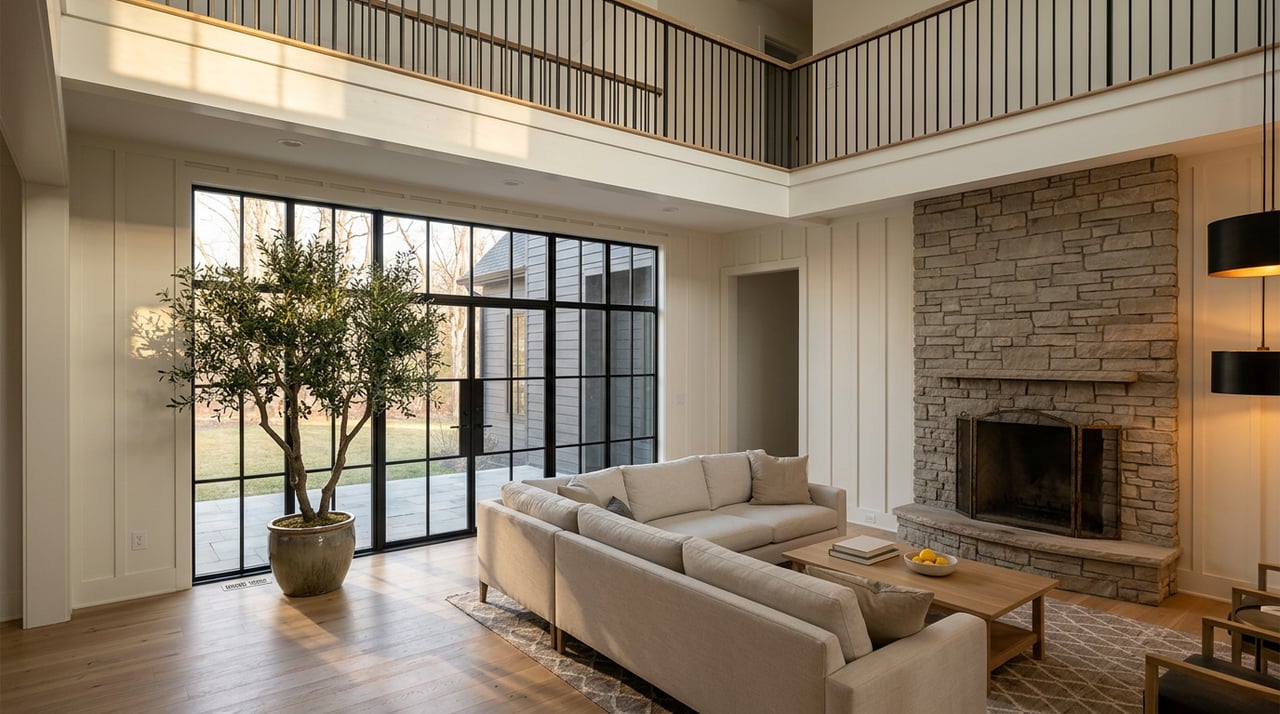
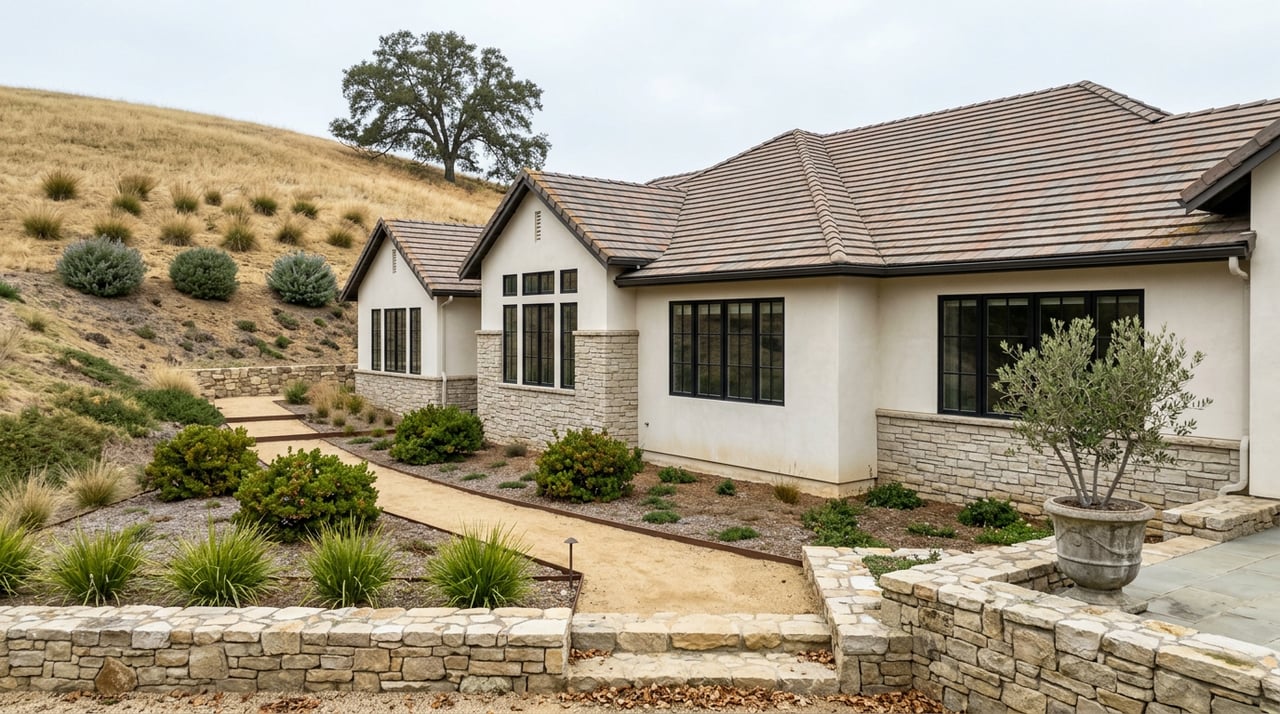
The Summit isn't laid out like most of El Dorado Hills. Original design restrictions require homes here to run at least 3,000 square feet before you count garages, balconies, or patios, and the lots themselves climb across genuinely hilly ground rather than the graded, flat pads you find in newer tract sections closer to Highway 50. That terrain is exactly what gives the neighborhood its lake views. It's also exactly why the vegetation management here doesn't look like anywhere else.
Most of El Dorado Hills manages its landscaping the way suburban California always has: mowed lawns, clipped hedges, irrigation on a timer. The Summit's common-area slopes are too steep and too exposed for that to make sense at scale, which is why the Lake Forest-Summit Owners Association brings in goats instead of crews with weed whackers. The goats work through star thistle, poison oak, and other invasive brush on ground that would be slow and dangerous to mow by hand. It is a maintenance solution built specifically for hillside terrain, not a lifestyle amenity dressed up to sound rustic.
The Trail That Predates The Subdivision
That same hillside geography is what makes The Summit one of the only neighborhoods in El Dorado Hills with direct, informal access to a piece of Gold Rush history. A trail starts at Hathaway Court and runs down to Folsom Lake State Recreation Area, following a route prospectors used generations before anyone platted a subdivision here. Most residents treat it as a place to walk the dog or get a workout in before the heat sets in. Fewer stop to notice that this corridor exists because the neighborhood was built around the land's original contours instead of flattening them.
The lake at the bottom of that trail is worth checking before you go this month. As of early September 2026, Folsom Lake is running at roughly 46 to 47 percent of capacity, well below where it sat in June, according to gauge data compiled from the California Department of Water Resources. That drawdown is normal for this point in the year, since the reservoir is drained through fall and winter to leave room for storm runoff, but it means the shoreline near the trail's end has pulled back and more lakebed is exposed than it was in midsummer. Cooler mornings and a receding waterline make this one of the better stretches of the year to walk the full route, though the exposed ground near the water can be uneven, so sturdy shoes matter more here than they did in July.
Lake Forest Park Does The Actual Daily Work
If the goats and the trail are the parts of The Summit that show up in every listing, Lake Forest Park is the part that quietly runs daily life. The park sits at 1821 Francisco Drive and is where residents actually gather without planning ahead. It has a covered picnic area with six tables and four charcoal barbecues, a children's play structure, an exercise circuit, a sand volleyball court, tennis courts, bocce ball, and walking trails connecting back into the broader park system.
The El Dorado Hills Community Services District does put one restriction on it that's worth knowing before you show up expecting a full backyard-party setup:
Lake Forest Park does not allow amplified sound or food trucks.
That single rule tells you something about how the park is meant to function. It's built for a quiet Sunday barbecue with a dozen people and a cooler, not a rented sound system or a taco truck idling in the lot. If you want the bigger production, Promontory Community Park allows food vendors between Labor Day and Memorial Day, which is a different kind of park serving a different kind of gathering just a few minutes away.
Two Parties That Bookend The Year
Layered on top of the trail, the goats, and the park is a social calendar the HOA runs on its own rhythm. Spring brings an Ice Cream Social with sundaes and lawn games for kids. Fall brings Ocktoberfest, with bratwurst, hot dogs, sauerkraut, and German music while children decorate pumpkins nearby. Neither event needs much explanation once you've spent a season here. They mark the two points in the year when the whole neighborhood shows up in one place at the same time, which is a rarer thing in a gated community than people assume.
The wider El Dorado Hills Community Services District runs its own fall calendar alongside all of this, and it's worth having the dates on hand if you're planning weekends through October:
- Summer Concert Series closer: Apple Z, Saturday, September 19, 3 to 9:30 p.m., Community Park
- Yoga in the Park, Sunday, September 20, 9 a.m., Promontory Park
- 6th Annual TRY-athlon (swim, bike, run or roll), Saturday, October 3, 9 a.m., EDH Community Park and Pool
- Pumpkin Splash Patch, Saturday, October 10, 1 to 3 p.m., CSD Community Pool
- Trunk-Or-Treat and Scarecrow Contest, Friday, October 30, 4:30 to 7 p.m., EDHCSD Pavilion Parking Lot
None of these are Summit-exclusive, but they're close enough that residents treat them as part of the same fall stretch as their own HOA's Ocktoberfest.
Why This Matters More Than It Looks
Put the pieces next to each other and the pattern is less about any single amenity and more about what kind of place this actually is. The Summit reads on paper like a standard gated luxury enclave: custom homes, private streets, an HOA covering roughly $175 a month for gates and common areas. What that description leaves out is that the neighborhood sits directly on the line between manicured suburbia and the kind of hillside terrain that still needs goats instead of mowers, still follows a Gold Rush-era footpath down to a reservoir that rises and falls by dozens of feet every year, and still runs its social calendar around the two seasons that terrain actually produces.
That's not a complaint about the place. It's the reason people who live here talk about it differently than people who just toured it once. The lake views and the quiet streets are the surface. The goats, the trail, and the park rules are the evidence of what's underneath.
If you already call The Summit home and you're curious what any of this means for your property's value, or if you're weighing a move within El Dorado Hills and want a neighborhood-by-neighborhood read that goes past the listing photos, The Friedrich Team has spent years working these specific streets. Reach out for a Free Home Valuation and a conversation grounded in the actual neighborhood, not a generic market script.