Wondering what your Blackstone home could sell for this winter? You are not alone. Winter brings a different rhythm to the market, and the right strategy can help you protect your price and timing. In this guide, you will learn how to gauge value using the most important local metrics, which pricing approach fits winter conditions, and what to do before you list. Let’s dive in.
How winter affects Blackstone pricing
Winter in El Dorado County often means fewer new listings and fewer buyers. The buyers who are active tend to be serious and motivated, which can work in your favor if you price and present well. Days on Market can stretch a bit, so setting expectations on timing is key.
Inventory levels may tighten if owners pause listings or grow if closings slow. The impact is local. Mortgage rate movement still influences demand, even in winter. In stable or strong micro-markets, winter price differences compared to spring are often modest. In softer conditions, there can be more pressure on price. Your best move is to anchor decisions to current local data rather than headlines.
Build a Blackstone-specific valuation
Choose the right comps
Start with comparable sales inside Blackstone or within a short radius. Prioritize closings from the last 90 days. If recent sales are limited, expand to 6–12 months and note any market shifts.
Focus on the closest match to your home’s basics: single-family vs. townhouse, bed and bath count, and living area within about 10–20 percent. Adjust for lot size, meaningful renovations, condition, view or position, and outdoor living spaces. Flag sales with concessions or atypical terms so they do not skew your expectations.
Create two tiers: 3–6 best comps that mirror your home and a secondary set to confirm trends. This helps you avoid over-weighting an outlier.
Track the right metrics
To understand your position, look beyond list prices. Key measures include:
- Absorption rate and months of inventory. Months of Inventory = Active listings ÷ Average monthly sales. Less than 3 months often signals a seller’s market, 3–6 months a balanced market, and more than 6 months a buyer’s market.
- Median and mean sale price. Median reduces the pull of outliers and can be more reliable for micro-markets.
- Price per square foot. Compare your adjusted $/sq ft to the best comps, accounting for finish level and lot differences.
- Days on Market. Track the recent DOM trend compared to the prior quarter.
- Sale-to-list price ratio. Sale-to-list = Sale price ÷ List price. Ratios near or above 100 percent suggest stronger demand. Ratios below about 98–99 percent can indicate softening.
- Price reductions. Watch what share of active listings have reduced price in the last 30–60 days and how long it took to reduce.
These measures provide a clearer picture of buyer demand and timing so you can price with confidence.
What buyers want in winter
Winter buyers appreciate homes that feel move-in ready. Highlight comfort and convenience:
- Well-lit photography that conveys warmth and space
- Efficient heating, recent system upgrades, and energy-saving features
- Garage or covered parking and organized storage
- Flexible showing times, including evenings and weekends
- High-quality virtual tours or 3D walkthroughs for relocation buyers
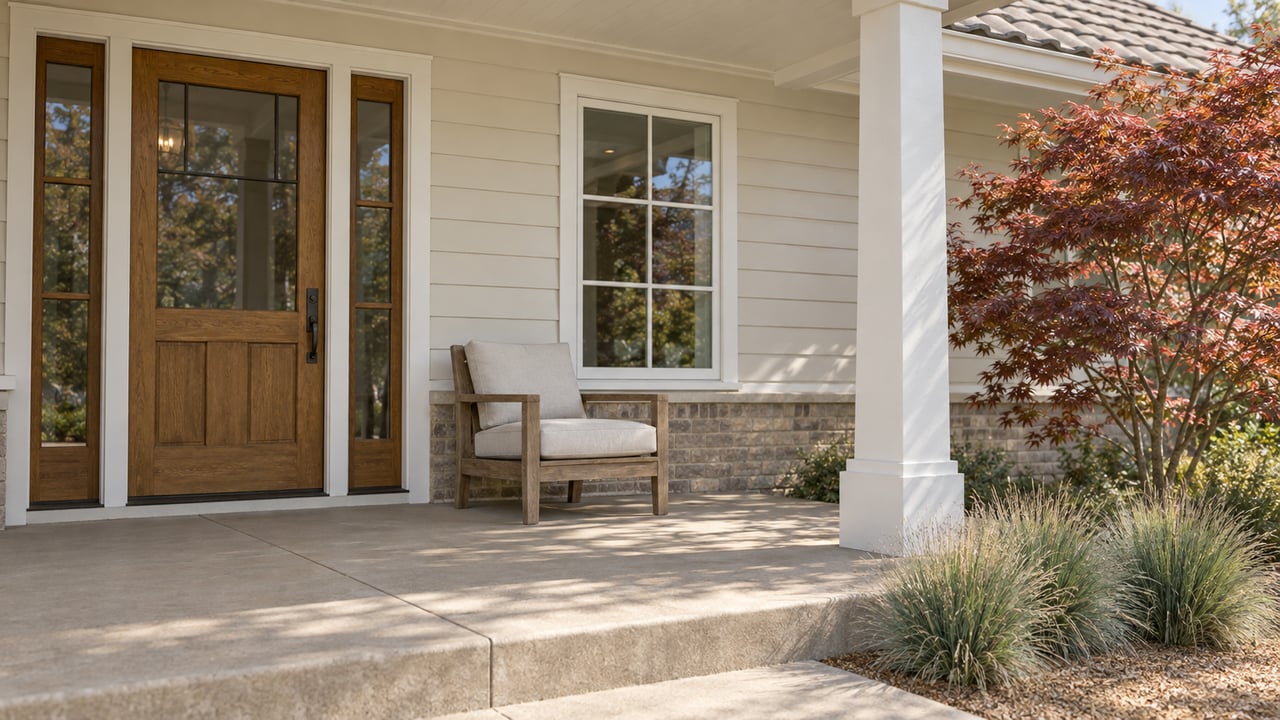
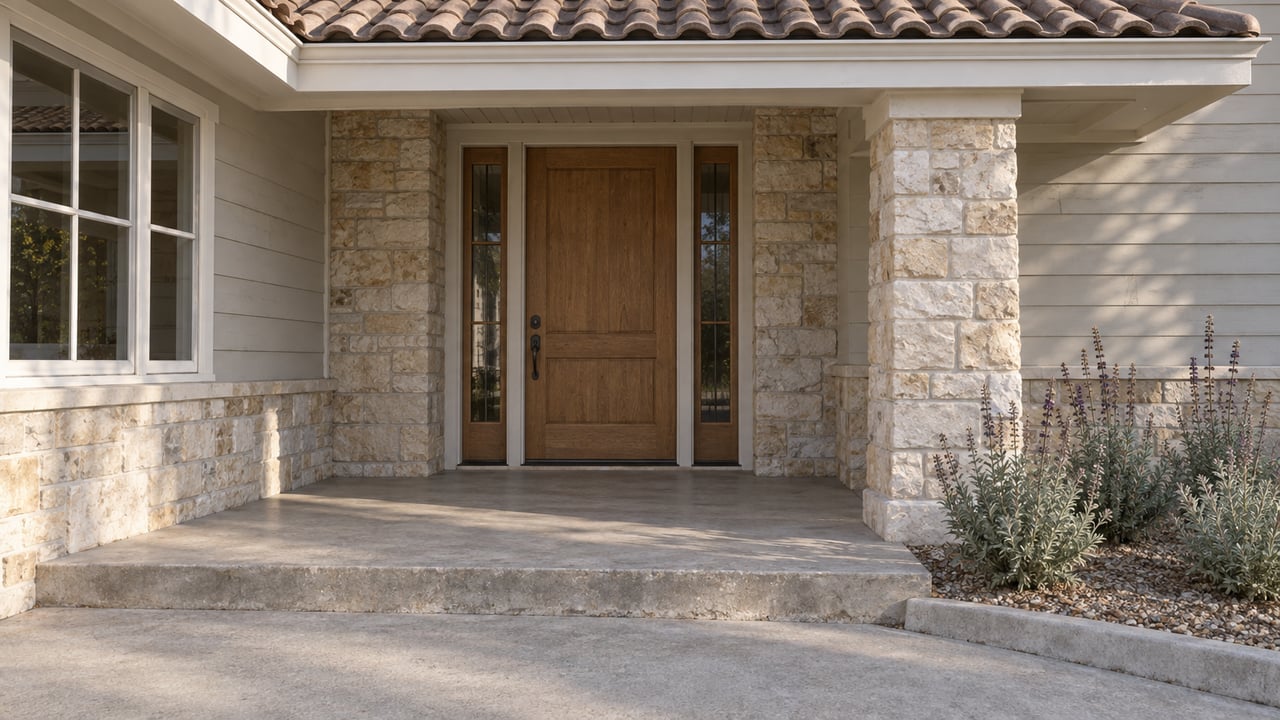
Small details matter more when daylight is limited. A welcoming entry, bright interior lighting, and tidy landscaping can make your home stand out.
Smart pricing strategies for winter
There is no single right number. Instead, choose a strategy aligned with current Blackstone absorption and buyer activity.
1) Price competitively to market
List at a well-supported market value based on recent comps. This attracts the serious buyers who are active in winter and helps you avoid long Days on Market and steep reductions. It is a steady, well-balanced approach.
2) Aggressive underprice for attention
List slightly below the perceived market value, often in the 1–3 percent range, to spark traffic and potential multiple offers. This works best when comps are clear and buyer demand is present. It can be risky if the market is thin or if appraisal issues arise.
3) List at market with a staged reduction plan
Price at market value and set a review cadence for showings and feedback, such as a check-in after the first 14–21 days. If the response is light, make a measured adjustment rather than a large cut. This protects your price while keeping you responsive to the market.
4) Hold until spring
Waiting can bring more buyers and showings. Consider carrying costs like mortgage, taxes, HOA fees, and the risk of broader market shifts before spring arrives. Your timeline and the current months-of-inventory reading should guide this call.
Seasonal price guidance
Use conservative, localized adjustments. In stable or strong micro-markets, winter differences versus peak season are often modest, commonly 0–3 percent. In cooler periods, differences can be larger, often 3–7 percent or more. Final adjustments should flow from current local absorption, sale-to-list ratios, and buyer activity.
Your pre-listing winter checklist
Get your home market-ready before the first showing:
- Pre-listing inspection and quick fixes to remove common buyer objections
- Fresh paint in neutral tones, deep cleaning, and decluttering
- Winter landscaping tune-up: clear paths, add simple planters for color
- Professional photography, including twilight images when useful
- Holiday-neutral staging focused on space and light
- Clear showing instructions and flexible availability
A strong first impression helps you win attention during a season with fewer window shoppers and more serious buyers.
Marketing that reaches winter buyers
Your marketing should meet buyers where they are and make it easy to tour:
- MLS-driven exposure with clear copy that highlights move-in readiness and immediate availability
- High-quality virtual tour or 3D walkthrough for out-of-area and evening shoppers
- Targeted outreach to relocation channels and loan officers who work with motivated winter buyers
- Consistent social promotion that emphasizes key upgrades and lifestyle features buyers value in Blackstone
What you will get in a custom valuation
A tailored pricing plan should go beyond a single number. Here is what a complete valuation package includes:
- A short list of 3–6 best comps with photos, sale dates, adjustments, and $/sq ft comparisons
- A snapshot of current competing inventory in Blackstone and nearby comparable areas
- Calculated metrics for the last 30–90 days, including months of inventory, average DOM, and sale-to-list ratio
- A price recommendation with one to three listing strategies and decision points for adjustments
- A marketing plan summary for photography, staging guidance, open houses if appropriate, and digital reach
- An estimated seller net sheet outlining typical El Dorado County closing costs and prorations
This level of detail gives you clarity on both price and process.
What we will ask from you
Your input helps refine value and speed up the sale:
- A list of recent upgrades and improvements with receipts or permit details
- Floor plan or accurate square footage documents if available
- HOA details and fees
- Any known property disclosures
- Your preferred timing and constraints, such as a must-move-by date
With these details in hand, your pricing and marketing plan will be more precise.
When waiting until spring makes sense
If current months of inventory is rising and sale-to-list ratios are easing, you might gain by waiting. If you have flexible timing and carrying costs are manageable, spring’s higher traffic can help. If you need to move sooner or prefer to compete with fewer listings, a winter launch with a competitive price can be the smarter route. The right call depends on your goals and live local data.
Ready to see your number?
If you are considering a winter sale in Blackstone, request a no-obligation custom valuation and winter strategy call. We will review local comps, calculate months of inventory, and outline three pricing approaches with timelines so you can choose with confidence. Reach out to The Friedrich Team to get started today.
FAQs
How does winter seasonality affect Blackstone home prices?
- Winter often brings fewer listings and fewer but more serious buyers, which can lead to slightly longer Days on Market and modest price differences that depend on current local demand.
What is months of inventory in Blackstone and why does it matter?
- Months of inventory shows the balance between supply and demand; under about 3 months often favors sellers, 3–6 months is balanced, and above 6 months favors buyers.
How should I set my list price for a Blackstone home in winter?
- Anchor price to the best recent comps and current absorption, then choose a strategy, such as competitive pricing or a market-price launch with a staged reduction plan after 14–21 days if needed.
Should I wait until spring to sell a Blackstone home?
- If carrying costs are low and you want more buyer traffic, waiting can help; if you value less competition and have a strong pricing plan, winter can be a smart time to list.
What data will you use for my Blackstone valuation?
- Recent closed sales in your subdivision, current active inventory, price-per-square-foot comparisons, Days on Market trends, sale-to-list ratios, and any concessions that may affect value.